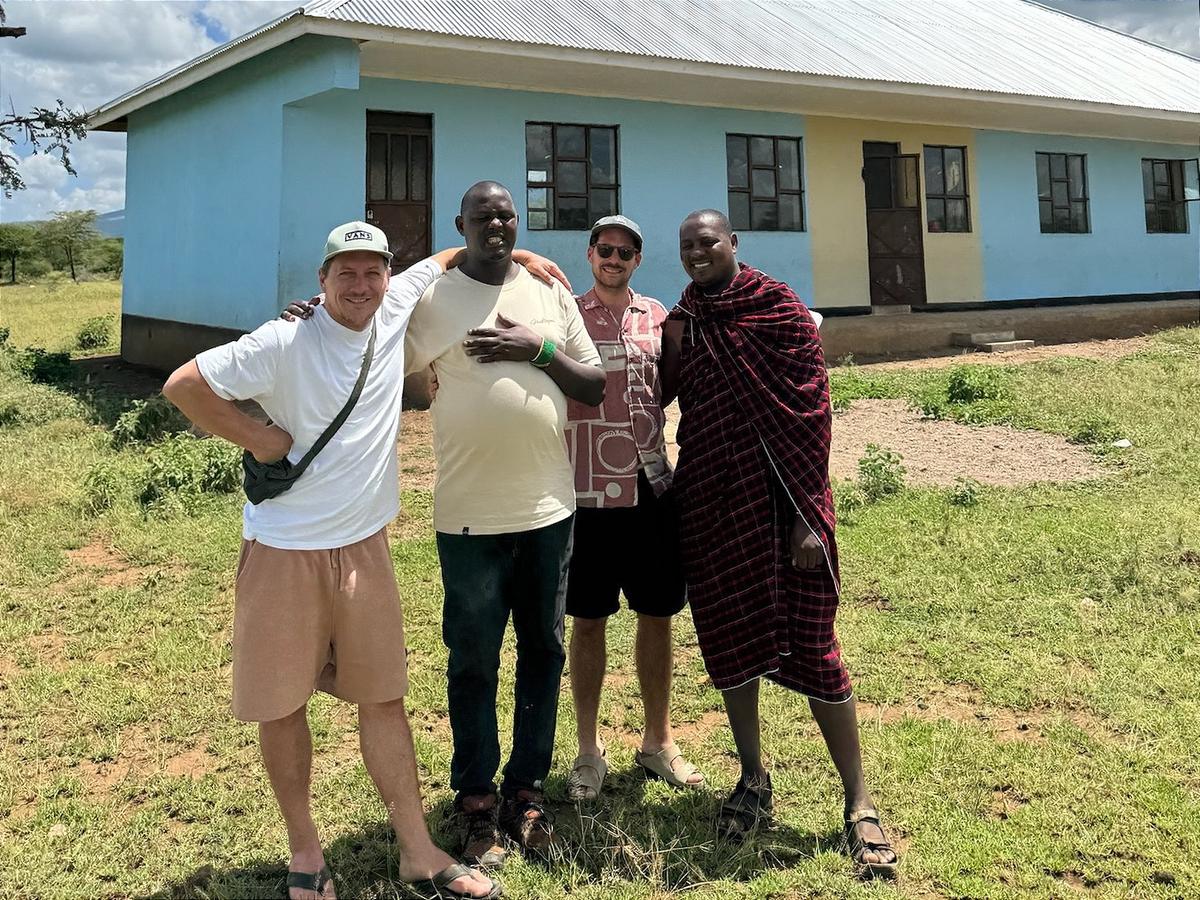
Lalahe is Maasai and was born in the Ngorongoro Crater. We help him build schools in his home region.
He received hardly any education himself and knows exactly that nothing works without it. Since 2009 he has been making sure that children there can go to school.
Lalahe and Lazaro build with the communities, we provide the funding and in the end the Tanzanian government takes over the school. That's how a community's idea becomes a government school that one day runs entirely without us.
And we often say no. We only start when five conditions are met, need alone isn't enough for us.
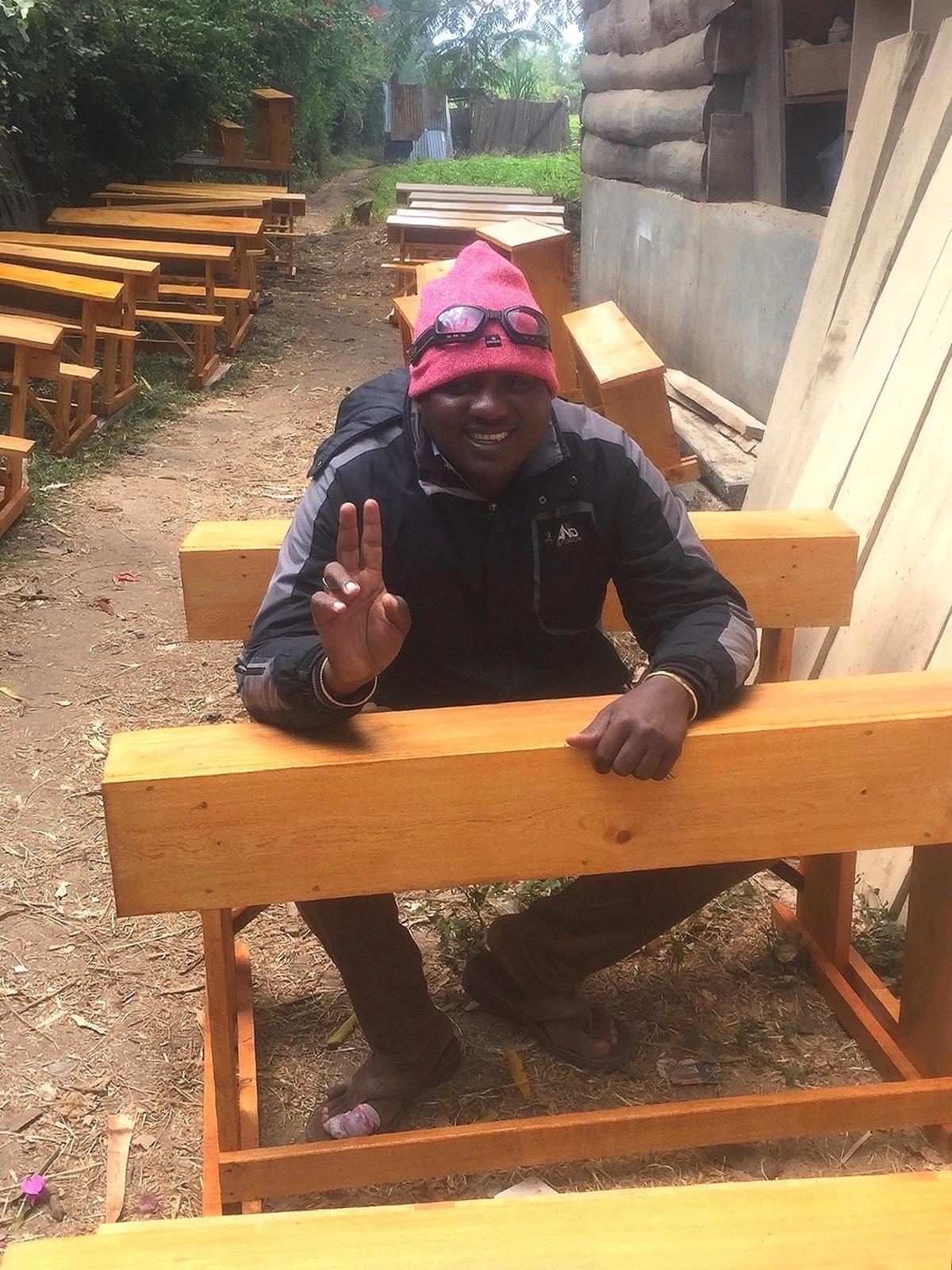
How we check before we build.
Lalahe and Lazaro check the five criteria on site, and the board has a say. Only when all five are met do we start.
Need
Children must make do without a school or travel extreme distances. Remote places also count: Education reaches everyone, no matter how far away.
Commitment of the community
Will the people there lend a hand, help organise and stay involved for years? Without that willingness there is no build.
Motivation of the community
Does the community really want the school? The idea has to come from the people there, otherwise you end up with a building nobody uses.
Strong village leaders and trusted people
Are there local leaders Lalahe and Lazaro trust? Building a school means working together for years, and that only works on trust.
Property with building permit
A property on which the Tanzanian government permits the construction of the school. A prerequisite for the subsequent transfer as an official government school.
What drives us.
These people and their places are the reason why we build.
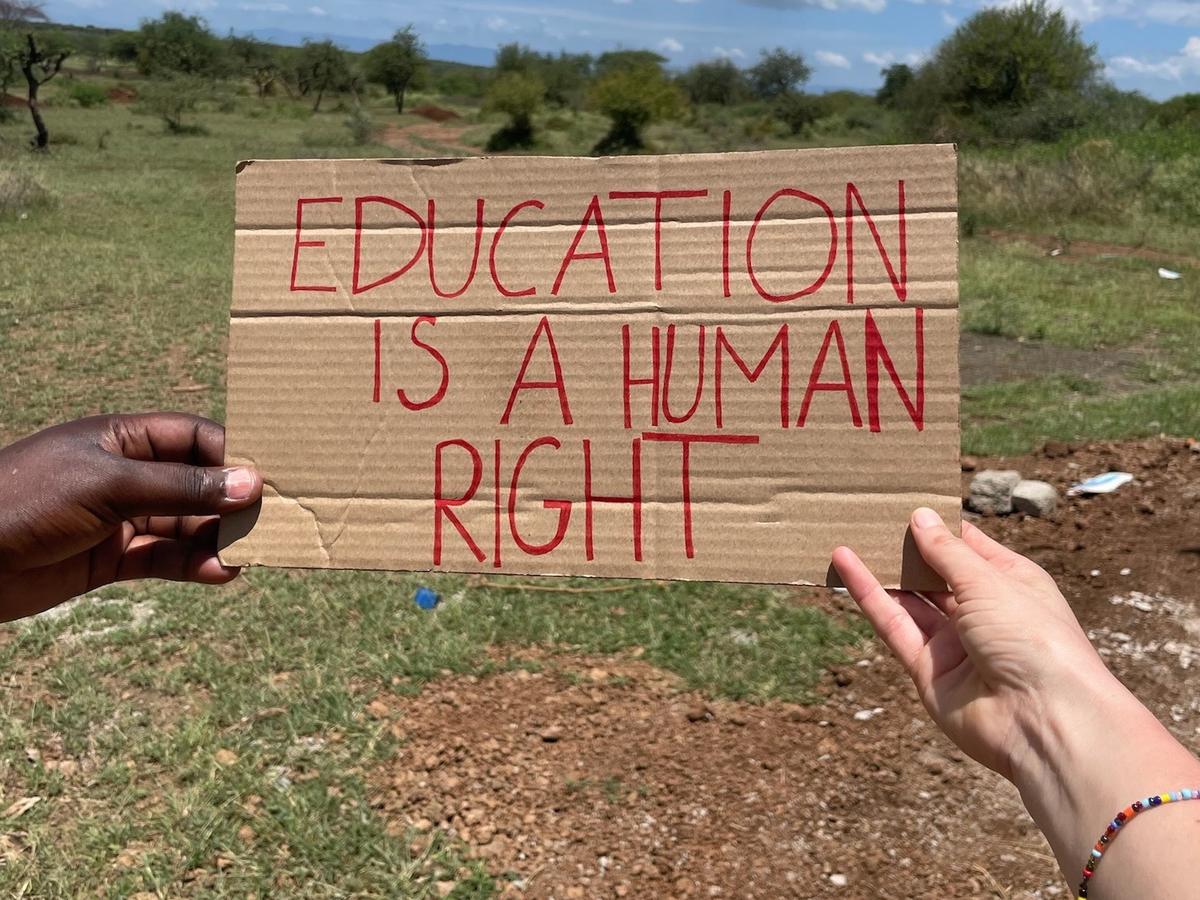
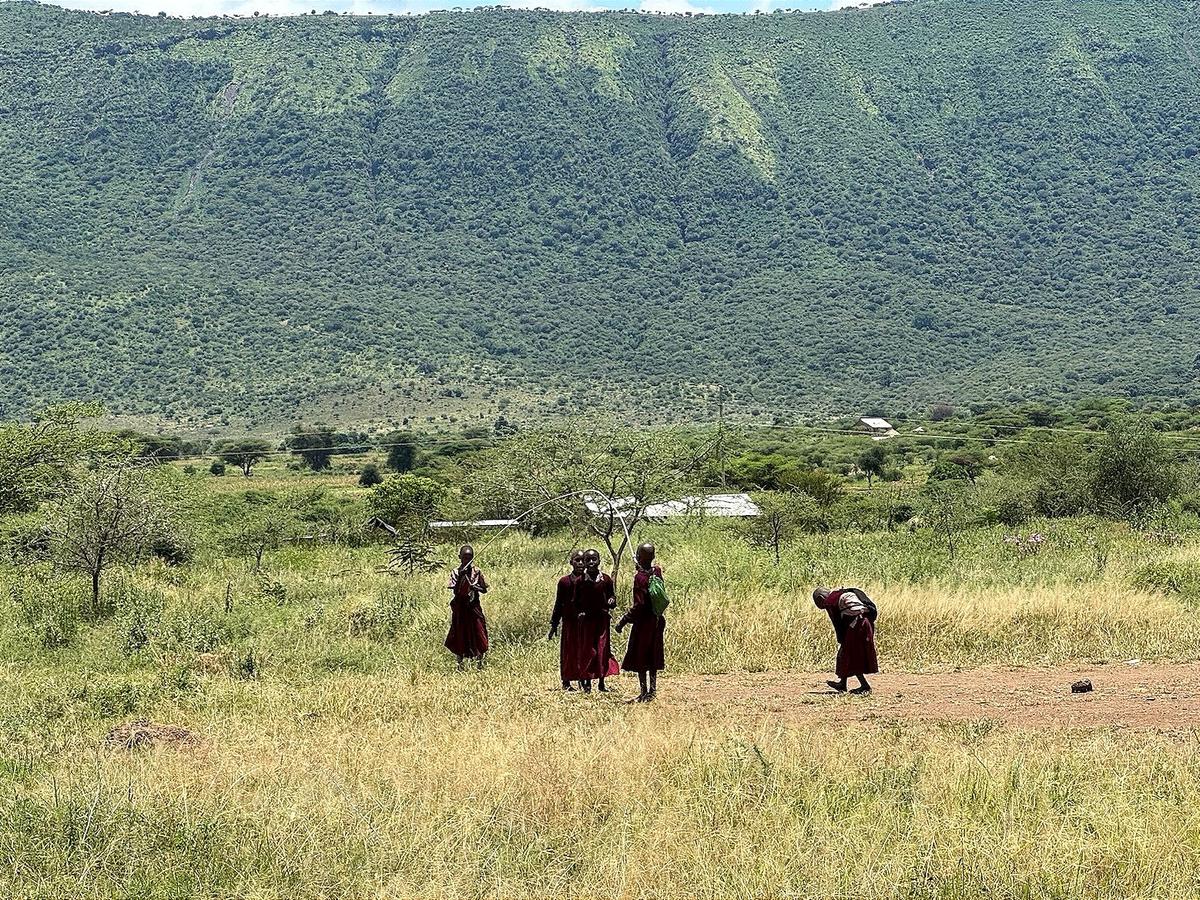
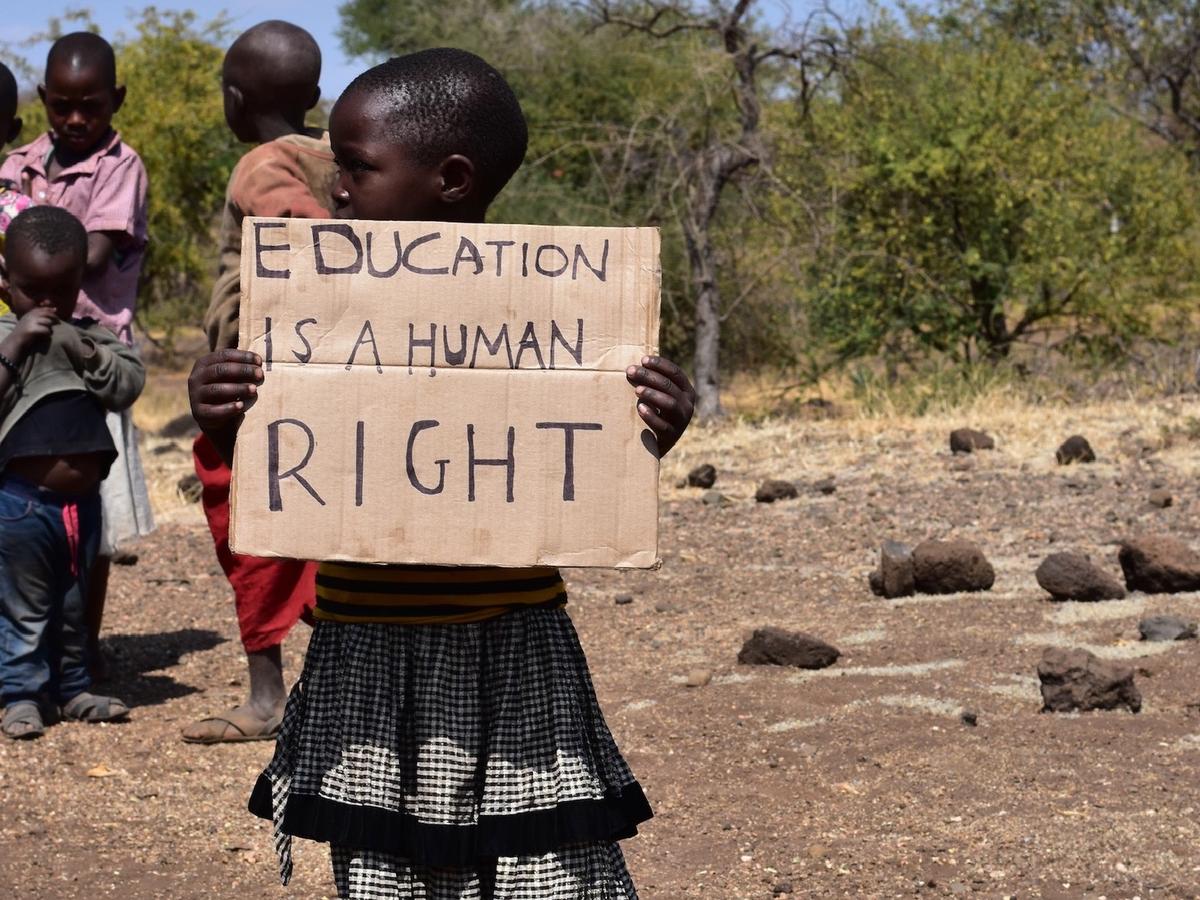
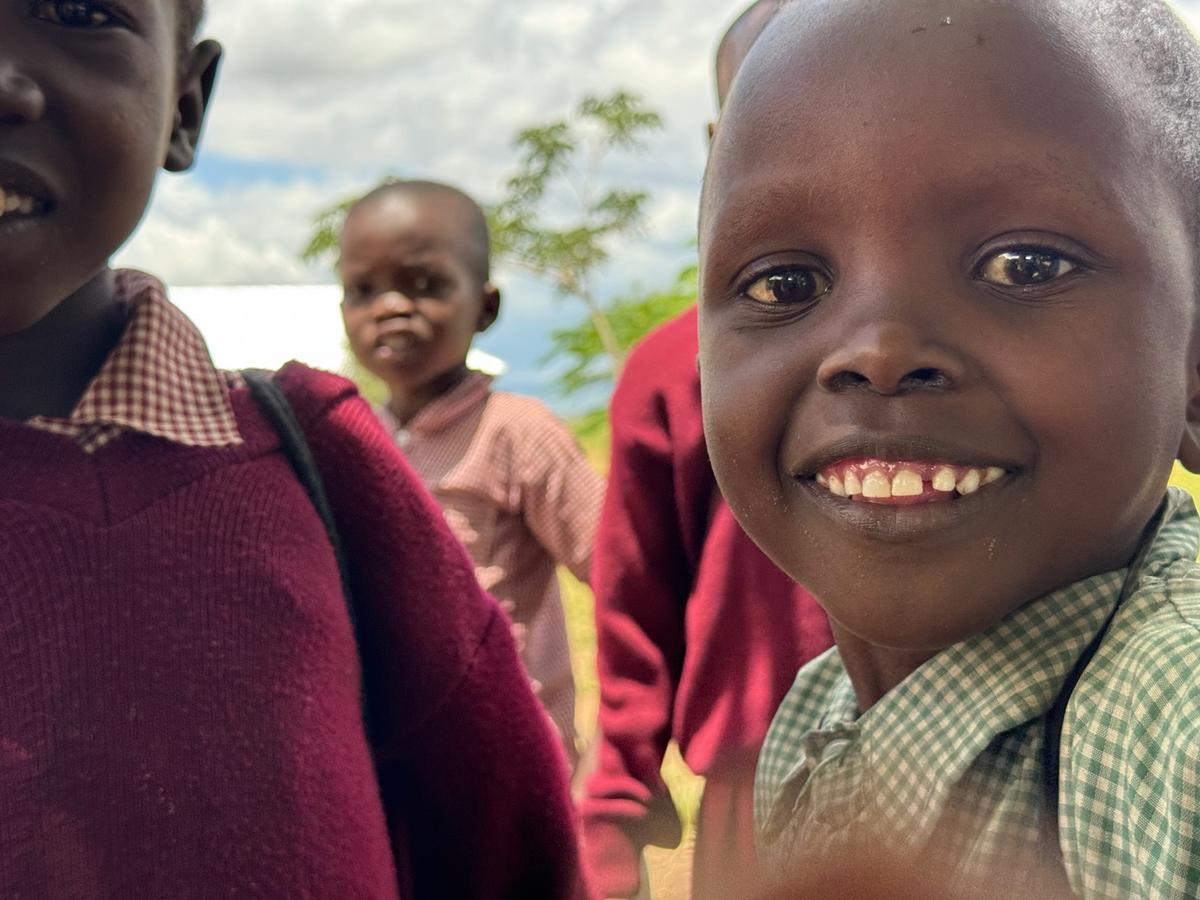
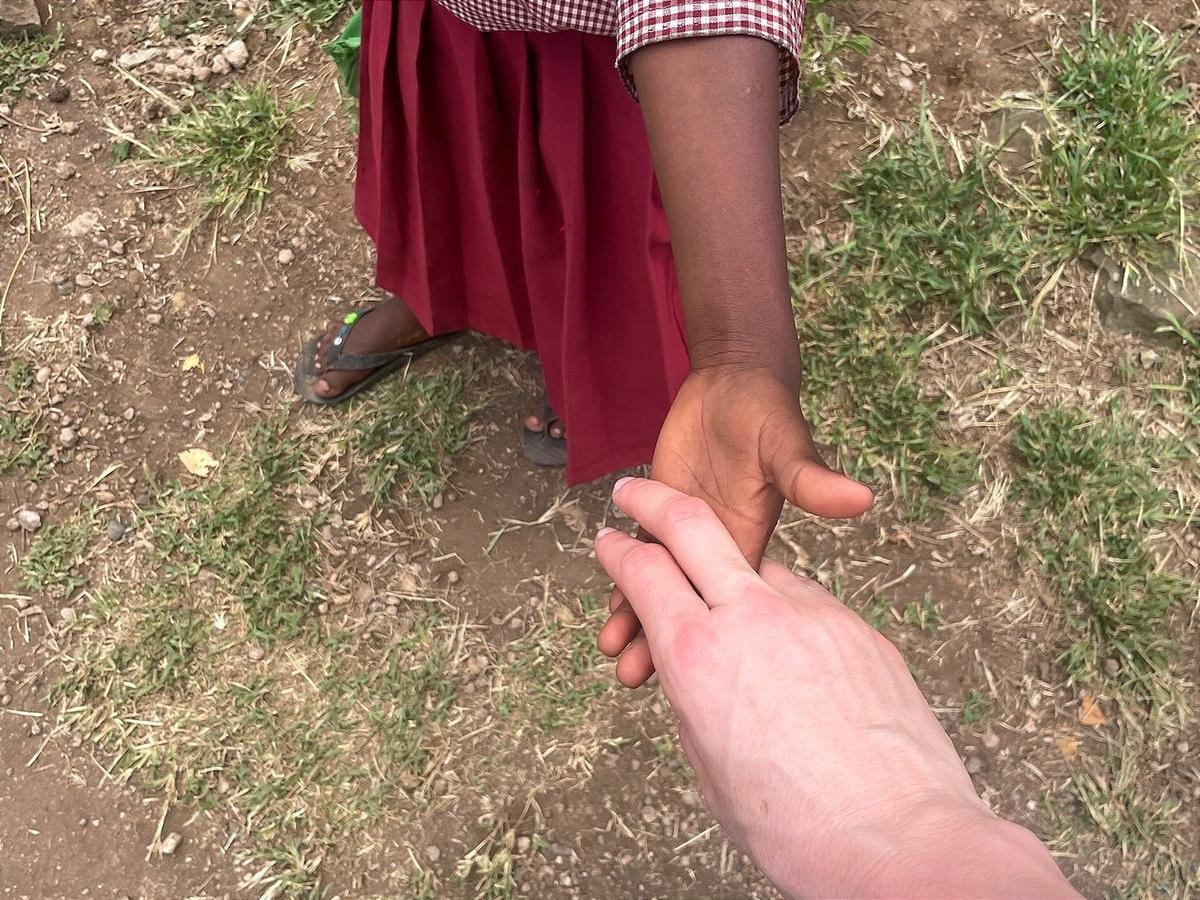
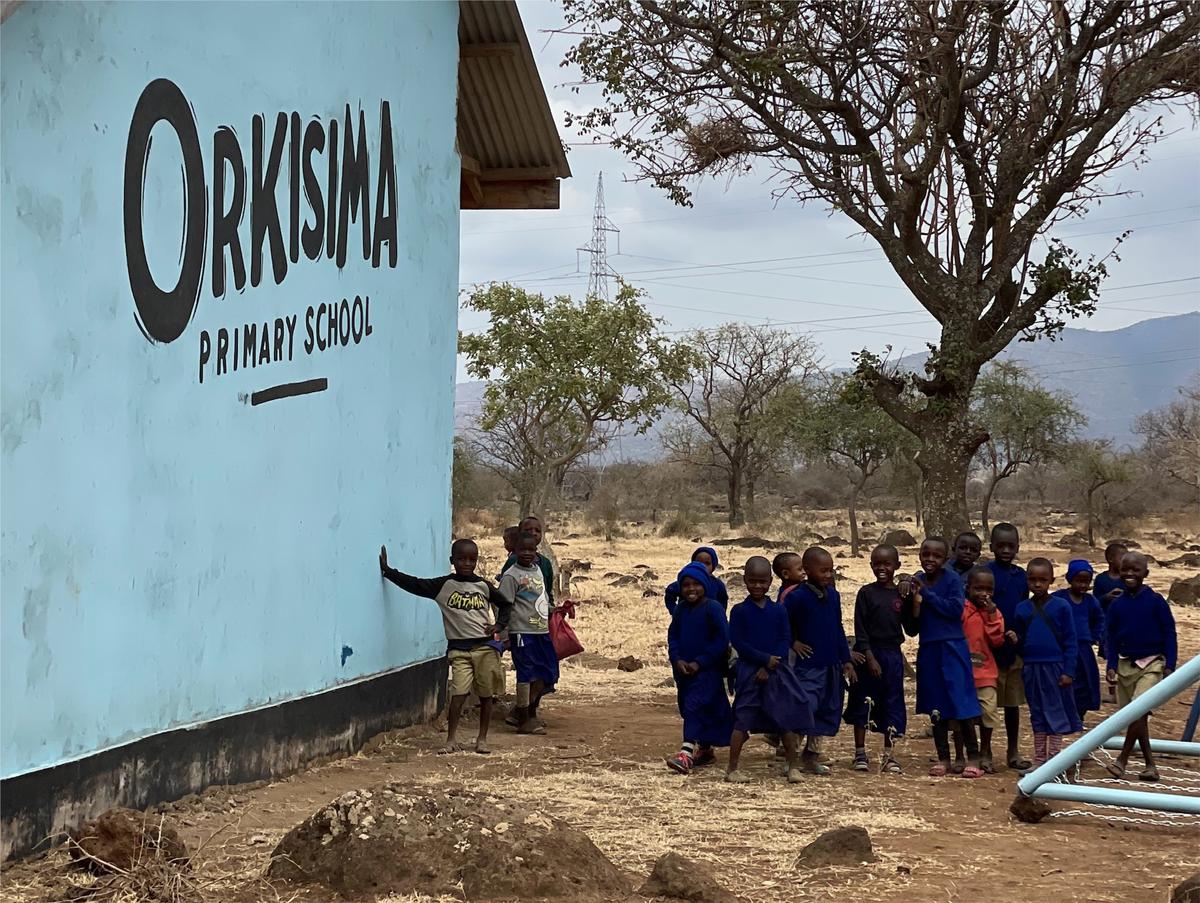
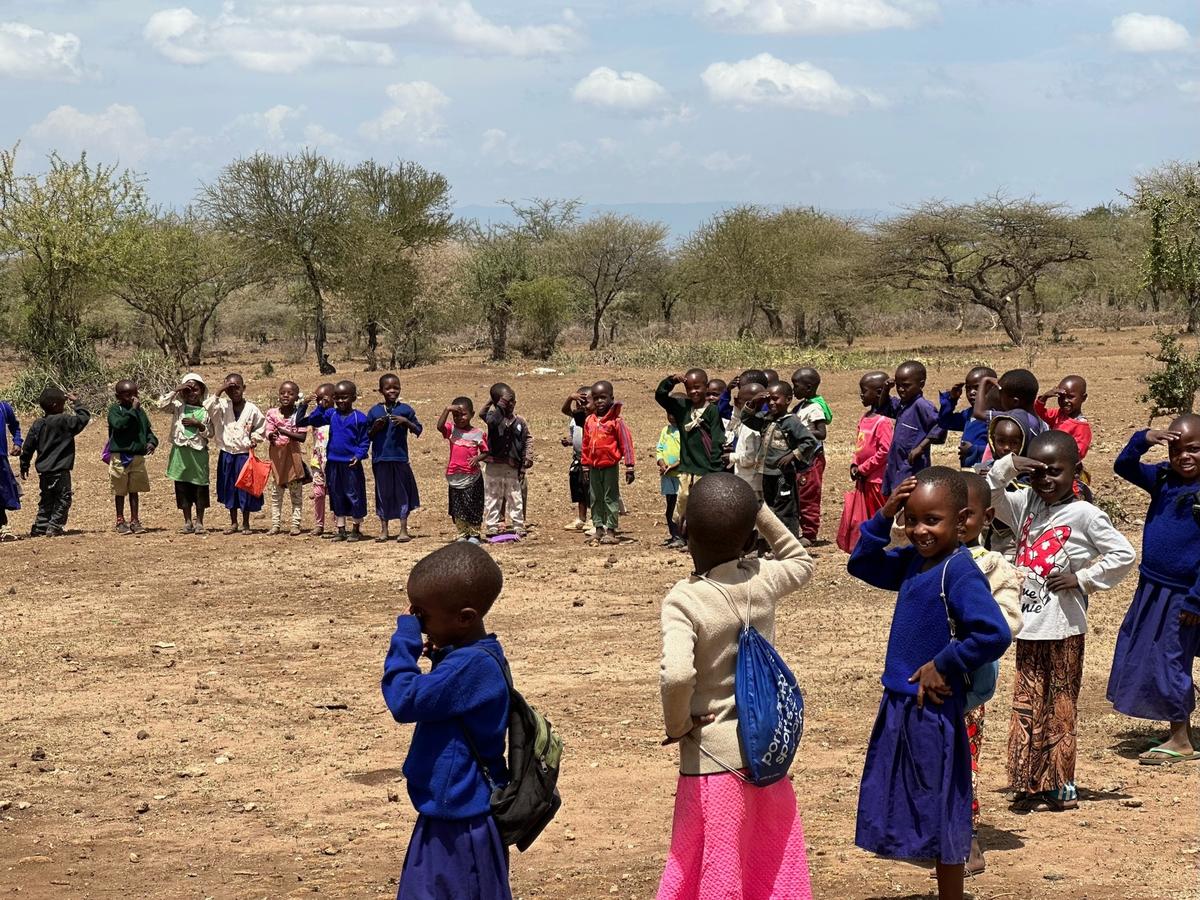
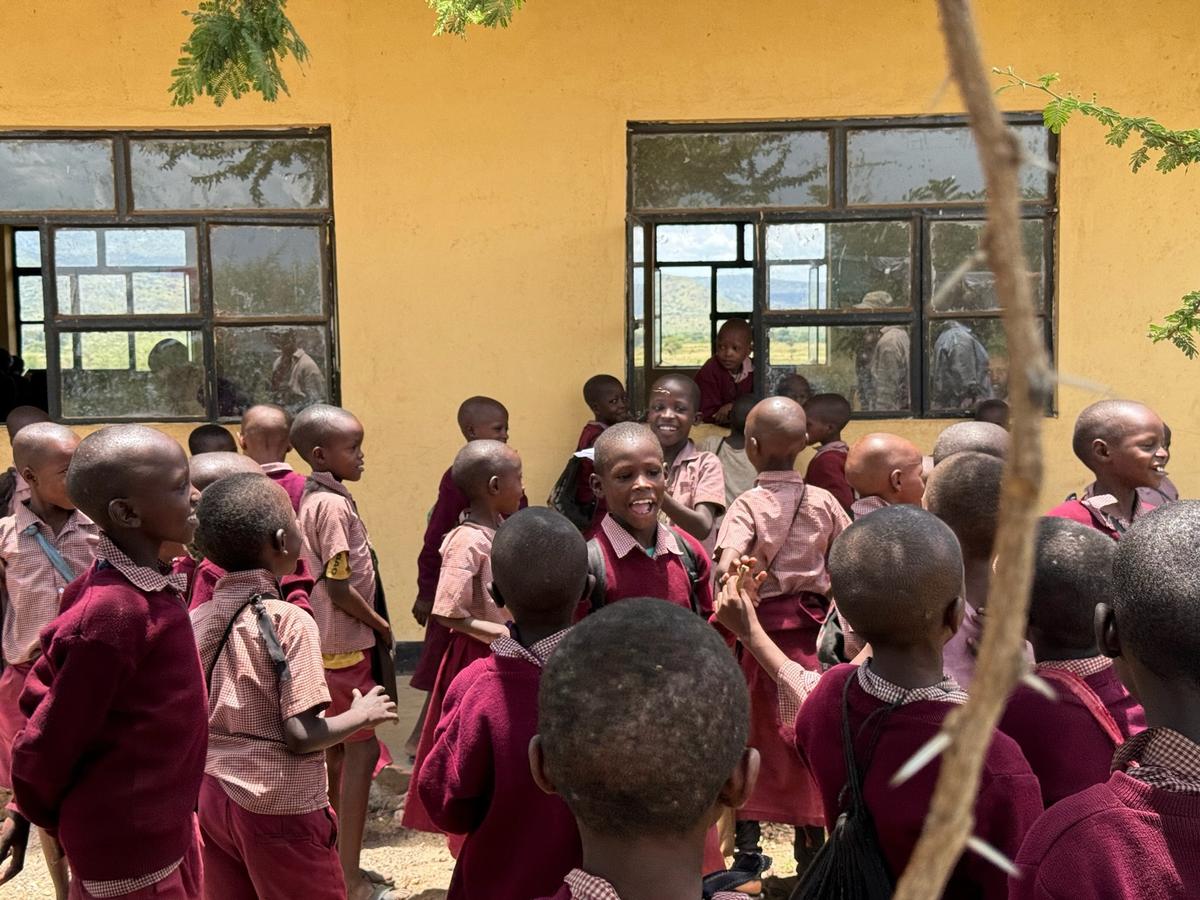
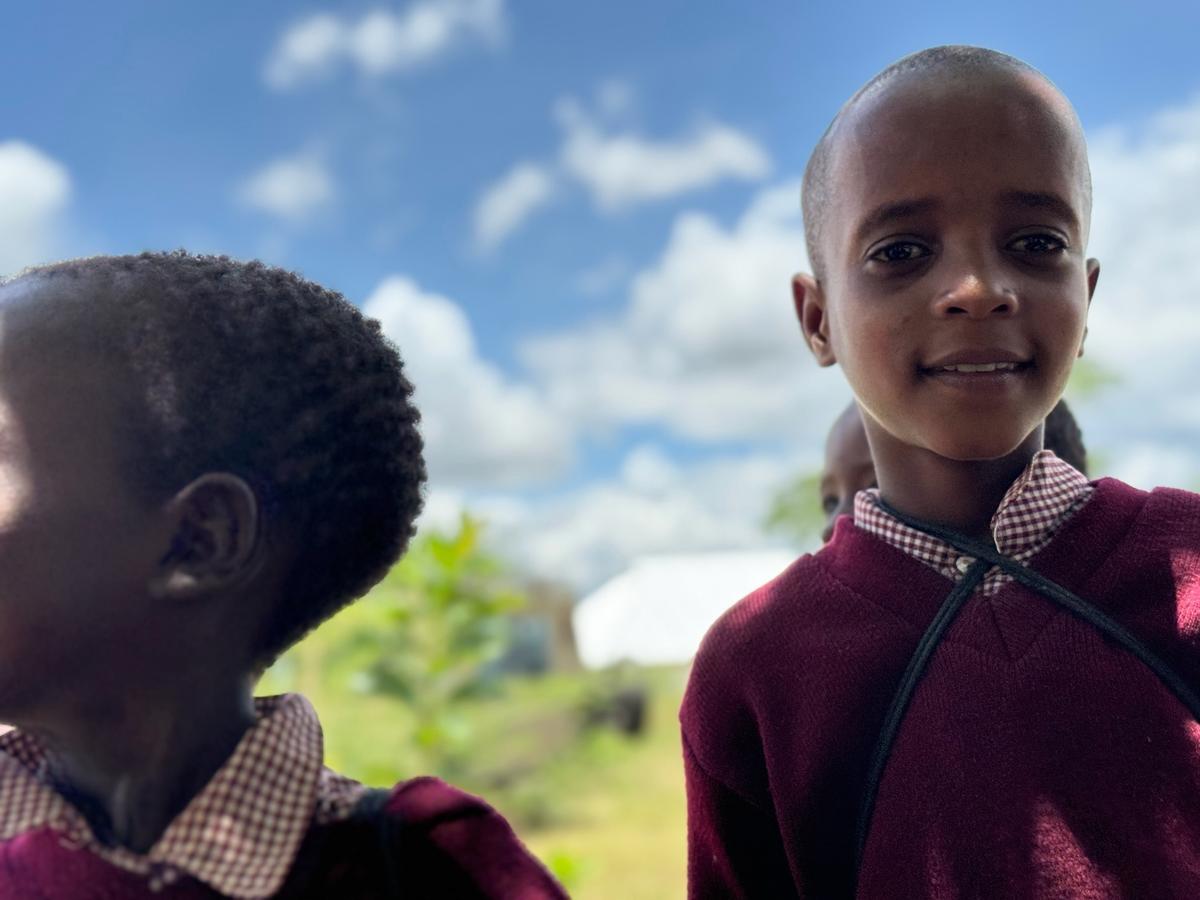
A school grows with its children.
A finished government school has three blocks (A, B, C), teachers’ houses and toilets. It is never built in one go.
We always start with block A: two classrooms and a staff room. Teachers arrive one by one, children come as the school grows. When the first classes get older, the next block is added.
In Selela and Makuyuni Juu the community even carried on building by itself after we had handed over block A. Those are the finest results of our work.
First water, then education.
A well is not part of every school project. We build one with the community if it has no clean drinking water. In Orkisima it came in 2020, two years before the school was handed over. Since then it has supplied 3,200 people with drinking water that meets WHO criteria. The second is currently being built at Lolera Primary School.
Toilets and water are also mandatory for a school to be officially recognised. Orkisima shows what happens when both come together: water and education achieve more together than either project on its own.
Questions about the mission? Write to us directly.
If you want to learn more about our criteria or why we never build a complete school directly: Jan will tell you firsthand.

Jan
Jan Grandisch. Co-founder, involved since 2018. First point of contact for donations and projects. He met Lalahe in Tanzania in 2017.